
About Lu
Practical tools for real life.
Lu helps people and workplaces turn what matters to them into how they actually show up.
Through everyday products, guides, resources and workplace support, Lu makes it easier to communicate clearly, respect boundaries, handle difficult moments, build better relationships and put values into practice.
Because knowing what matters is one thing. Living it is another.
-
There is often a gap between what we believe and what happens in real life.
We can value honesty and still avoid the conversation.
Value respect and struggle when someone says no.
Want good relationships but fall back into old habits when things get uncomfortable.
Have strong workplace values but not always see them reflected in the way people communicate, lead, make decisions or respond when something goes wrong.
Most of us have been told plenty about what we should do.
Be respectful. Communicate. Set boundaries. Speak up. Be accountable. Treat people well.
We are given far less practical help with how to actually do those things when the moment arrives.
That is the gap Lu helps close.
-
Research informed. Shaped by lived experience. Made for real life.
Lu resources aren't created from personal opinion alone.
They bring together research and evidence, professional and lived experience, consultation and feedback from the people who may actually use them.
Then we do something important with that information:
We make it practical.
That might mean turning a complicated idea into:
A sentence you can use during a difficult conversation.
An activity that helps you work out what you actually want.
A guide you can come back to when something feels messy.
A simple reminder you see at the right moment.
Or a workplace tool that helps turn stated values into everyday behaviour.
Lu is also designed to keep learning.
Feedback, consultation and real-world use help shape what we create, what needs improving and what comes next.
The aim isn't to have all the answers. It is to make useful knowledge easier to understand and put into practice.
-
Different tools. Same purpose.
EVERYDAY PRODUCTS
Small reminders that can make everyday interactions a little clearer.
From Lu Signals to stickers and other practical products, these tools are designed to prompt better conversations, clearer choices and more respectful everyday behaviour.
GUIDES & RESOURCES
Practical support for the situations most of us were never really taught how to handle.
Lu Guides and free resources bring together useful information, scripts, activities and examples around communication, relationships, boundaries, dating, friendship, community and everyday life.
WORKPLACES
Helping organisations turn good intentions into everyday practice.
Lu works with workplaces to strengthen the people side of work. This includes communication, leadership, accountability, employee voice and the everyday behaviours that shape culture, performance and trust.
A note from Jamie
Hello!
Lu started with a simple observation: a lot of everyday situations feel harder than they should.
Meeting new people. Saying what you mean. Setting a boundary. Hearing no. Having an uncomfortable conversation. Asking for help. Speaking up when something does not feel right.
My first idea was Lu Signals, a simple way to make some social situations clearer and take a little of the guesswork out of approaching people. But as Lu developed, I realised the idea was much bigger than that.
Throughout my own life and my professional work, I kept seeing the same problem. People often know what they want to do differently. Organisations often already know the values they want to stand for.
The difficult part is putting those intentions into practice when real people, competing pressures, emotions and everyday life get involved.
Sometimes we don't need another reminder to communicate better.
We need help knowing what better communication actually sounds like.
Sometimes we don't need to be told to set boundaries.
We need words we can use when setting one feels uncomfortable.
Sometimes workplaces don't need another set of values on the wall.
They need practical ways to make those values visible in everyday behaviour. That is what I want Lu to help with.
Not perfection. Not having every answer. Just more tools, more choices and more ways forward.
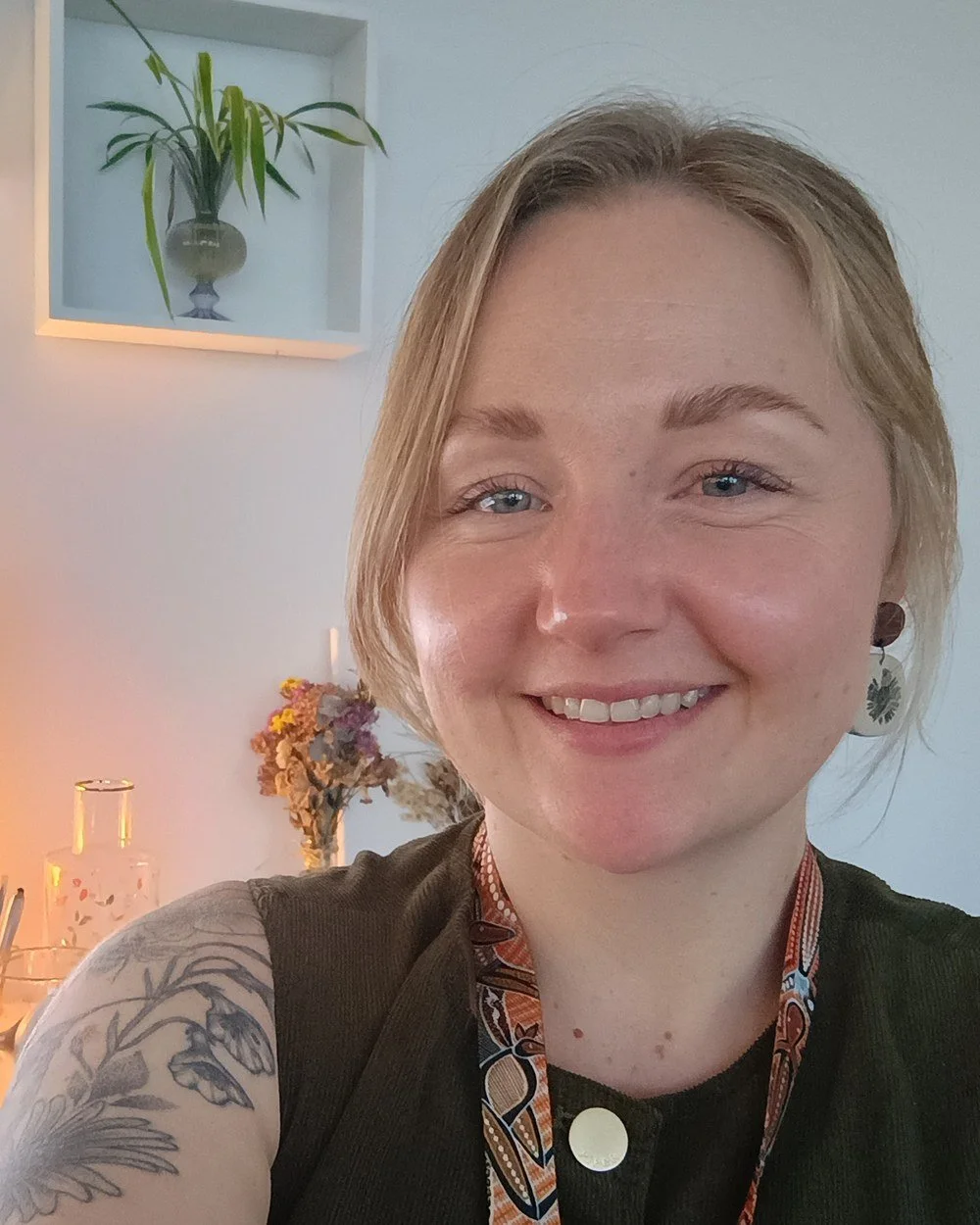
— Jamie
Who We Are
-
Lu helps people and workplaces put what they value into practice.
Sometimes that means saying what you mean. Respecting someone's no. Asking instead of assuming. Taking responsibility when you get something wrong. Making room for someone else to speak. Raising a problem before it becomes a bigger one. Or making sure the values an organisation talks about are reflected in what its people actually see, hear and experience.
Small behaviours shape relationships, workplaces and communities.
Lu exists to make those behaviours a little easier to practise.
-
CLARITY
Say what we mean and make useful information easier to understand and act on.
CONSENT
People should have meaningful choice. A yes should be freely given, a no should be respected and people should be allowed to change their mind.
COURAGE
Better ways of doing things often require us to speak up, try something different or have conversations we would rather avoid.
CARE
How something affects people matters. We consider the person on the receiving end of the product, message, decision or behaviour.
COMMUNITY
We all help shape the spaces we are part of. Community grows when people participate, include others, contribute and allow themselves to receive support too.
INTEGRITY
What we do should match what we say matters.
That applies to the people and organisations Lu supports.
And it applies to Lu too.
-
I'm Jamie, the founder of Lu.
My professional background spans more than 15 years of work across policy, strategy, complex project delivery, workplace culture, stakeholder engagement, gender-based violence prevention and respectful relationships.
I have worked across government, industry and community settings, helping turn complex ideas, evidence and policy into things people can actually understand and use.
That experience has shaped how I approach Lu.
I am interested in what happens after we know better.
How do we actually have the conversation?
What helps people speak up earlier?
Why do good intentions sometimes disappear when things become difficult?
How do we make respectful behaviour easier to practise rather than something people are simply expected to already know?
And how do organisations make sure the values they promote are reflected in people's everyday experience of work?
Lu brings those questions together with research, consultation, lived experience and practical problem-solving.
The result is work designed for real people, in real situations, where things are rarely perfect or straightforward.